Holiday Magic: How to Make Miracles Come True
Through the centuries, indeed over millennia, humans have manifested the celebration of the winter solstice in a myriad of ways. Sacred rituals honoring the darkness transitioning to light include, though are not exclusive to, Diwali, a Hindu festival of enlightenment dispelling ignorance; Hanukkah, the freedom from oppression; Yalda Night, a Persian tradition offering protection from evil; the Chineese Dongzhi Festival, rooted in the philosophy of Yin and Yang symbolizing the “return” of light and positive energy; and Christmas, the beginning of a new era of salvation. While the etiology of each event must have involved a lot of risk by those vested in the cause, the results can also be seen as miraculous, proof in the pudding that love and hope prevail.
For inhabitants of the Northern Hemisphere, the Winter Solstice is December 21 or 22. The North Pole is tilted farthest away from the sun, resulting in the least amount of daylight and therefore the shortest day of the year. (In the Southern Hemisphere, the winter solstice occurs in June.)
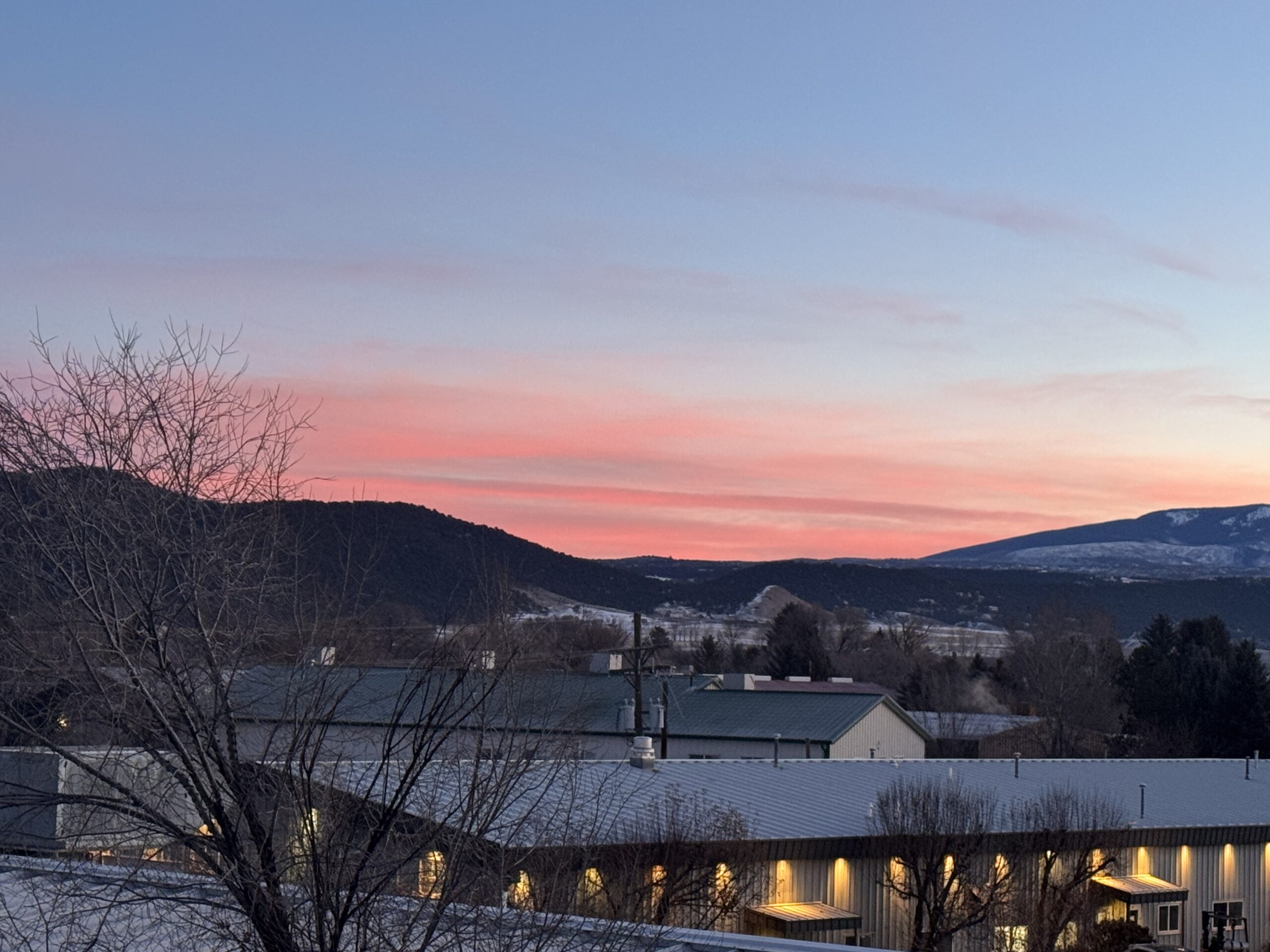
Primordially speaking, we are neuro-physiologically wired to prepare for the darkest, and coldest time of year, with a harvest of food sagely cached as we hunker down for a long winter’s nap. While at times ominous, the darkness is an opportunity for rest and reflection, albeit in tight quarters with our families and tribes. It’s understandable then, as exciting as the hustle and bustle of the holidays can be, we long for respite.
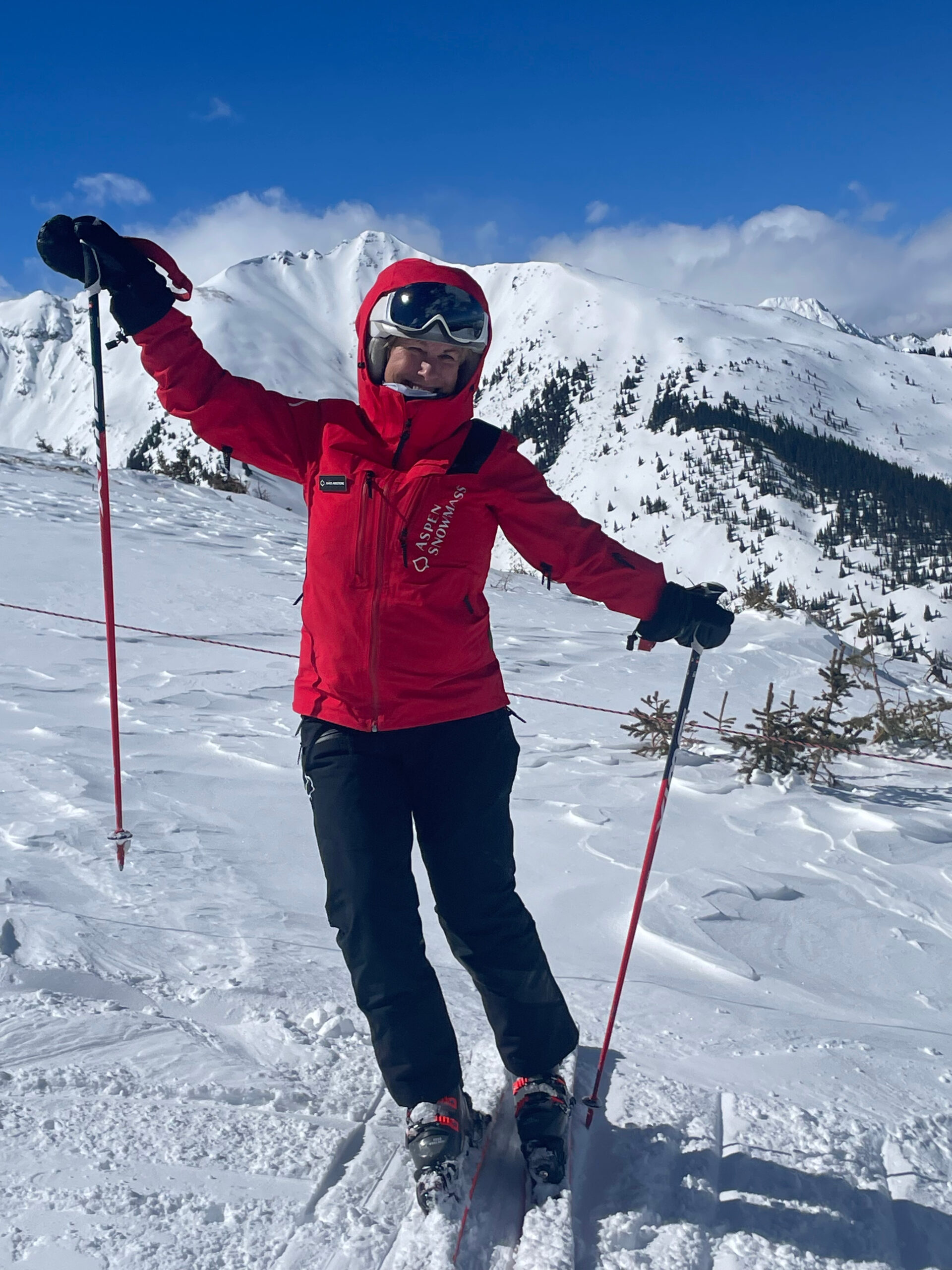
In my world as a ski instructor and trainer, at the very time I and my colleagues are evolutionarily programmed to rest, we are ramping up for the busiest time of our year. To prepare for the thousands of experienced and neophyte snow enthusiasts to descend upon our mountain home to celebrate the winter solstice schussing the slopes, we begin to train in mid-November. Risk management, terrain selection, human bio-mechanics, physical fitness, ski performance, boot fit and alignment, learning preferences, teaching approaches, mindset, mindfulness, motivation, addressing fear, how to have fun—there are four types of fun—individual and family private lesson dynamics, group management and business development represent a small sample of the educational menu covered by the S3 Training Academy of the Ski and Snowboard Schools of Aspen. It’s our job as Ski and Snowboard Pros to safely meet our guests where they would like to be met in order to re connect with themselves, their family and their friends while engaging in skiing and snowboarding in nature’s winter wonderland. We balance our professional service with partaking of good tidings with our own loved ones. We “get to” share our passion for sliding down white slippery surfaces with others!
This hectic holiday cycle is not unique to the mountain experience and snow sports industry; entertainment, amusement and vacation destination workers know it well. The holiday retail season begins building at Labor Day and lasts through Valentine’s Day. It is our overall intent to hold space for humanity to revel in the happy things in life. It brings money to our pockets, plus we tell ourselves we can rest later, during the shoulder season from mid-April to the end of May (in the Northern Hemisphere).
So, what does all of this have to do with “magic” and “miracles” other than it can feel like a miracle just to survive the season?
The answer is connection. Connection involves nurturing a relationship with oneself, friends, family, colleagues, guests, and even something greater than oneself. I suspect this is why holidays were created in the first place.
CONTENT NOTE:
The next couple of paragraphs contain material that is potentially distressing or sensitive. Following that, narrative will include ideas of how to care for one’s and others’ wellbeing, especially during the holidays.
The theme of darkness—for some a rich and warm space—is for others, terrifyingly discomfiting and threatening. The holidays can represent thriving connections as well as a period of sheer hell, also known as Suicide Season. Associates in the mental health arena and veteran’s organizations are on heightened alert from early November through mid-February, taking calls, 24/7, from distressed people, in crisis and in pain, trying to convince themselves to live rather than to commit suicide.
What is this phenomenon about? Part of the answer is that an unintentional consequence of the holidays is isolation.
Isolation is an experience of being misunderstood and set apart from others and/or out of synch with one’s environment. Sometimes it’s by choice, for instance, taking a job to support oneself away from one’s family, and sometimes it is due to homelessness or feeling ostracized by social, corporate and religious institutions. Either way, the isolated person is at best lonely and at worst triggered by people and events which can lead to maladaptive anti-social behaviors. It’s a state of oneself being out of synch with society and the inability to reclaim connection.
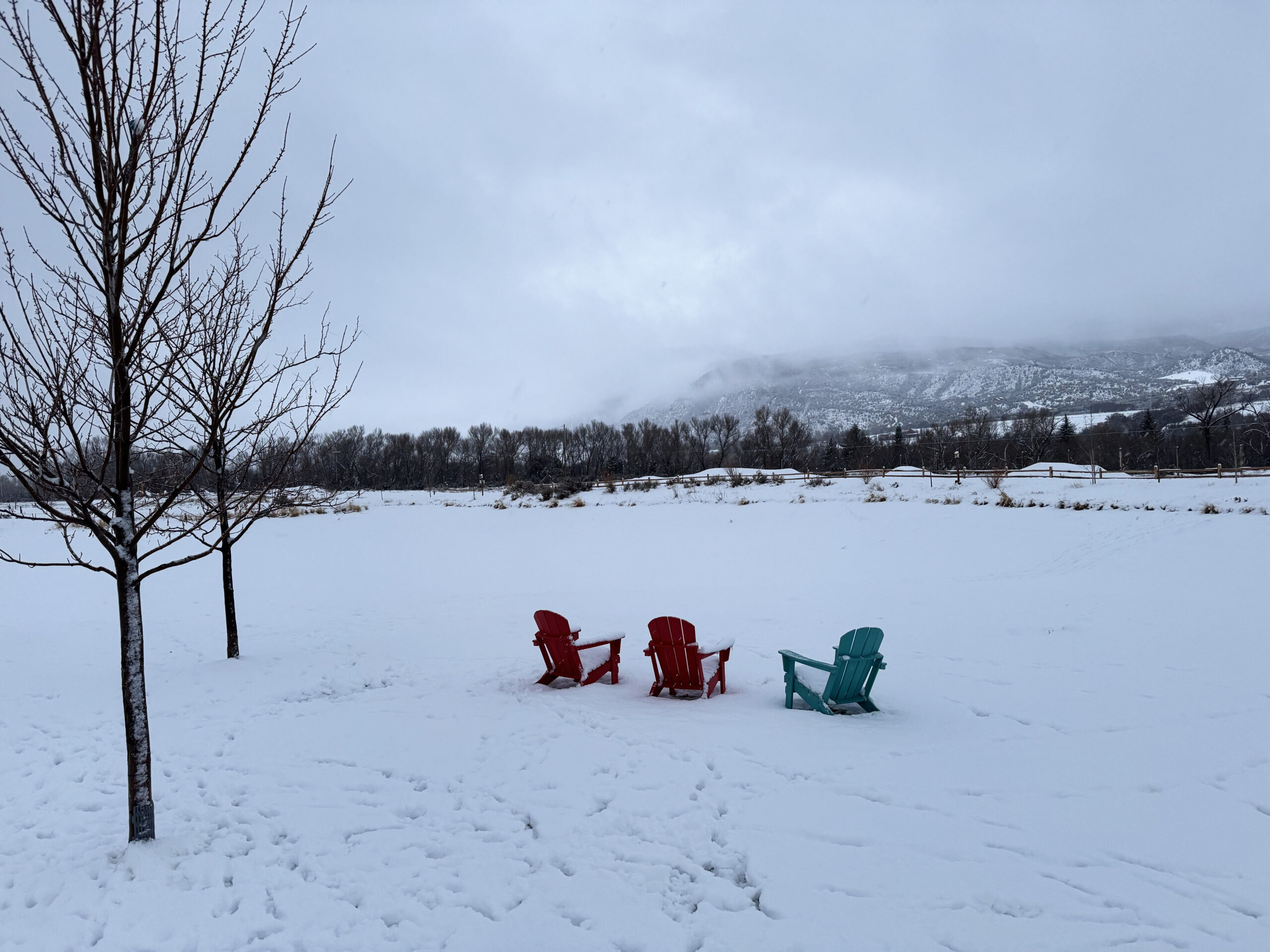
The costs to lack of belonging are anxiety, depression, cognitive decline, heart disease, high blood pressure and diminished immune response. The unknown feels scary, and mystery is threatening. Motivation to socially engage is diminished if not non-existent due to fear of rejection. A person in this place may still show up physically, however their brain is in a heightened state of vigilance with a pre-loaded fight flight response. Over time, if this state persists, ventricles of the brain actually change shape and shrink, and neuroplasticity becomes rigid, if not comes to a standstill.
The work of mental health providers in a time of crisis is to connect to persons to help them self-regulate their emotions. While acknowledging the reality of suffering, the providers provide reassurance that a person is not alone, and encourages them to tap into the human experience that even amidst suffering can exist joy, and reason for being.
Some of you reading this may be thinking, “But I like solitude! I’d love to hole up in my man cave, she shed or a tiny home and chill out away from social energy for awhile!”
The distinction is seeking solitude is a healthy self-care response. Solitude is an experience of choosing to be alone without being lonely; it’s a time for reflection, inner growth, peace, renewal, creativity and balance with social life. It can happen with meditation or a solo bike ride, writing a journal or listening to music, cat napping or going for a walk.
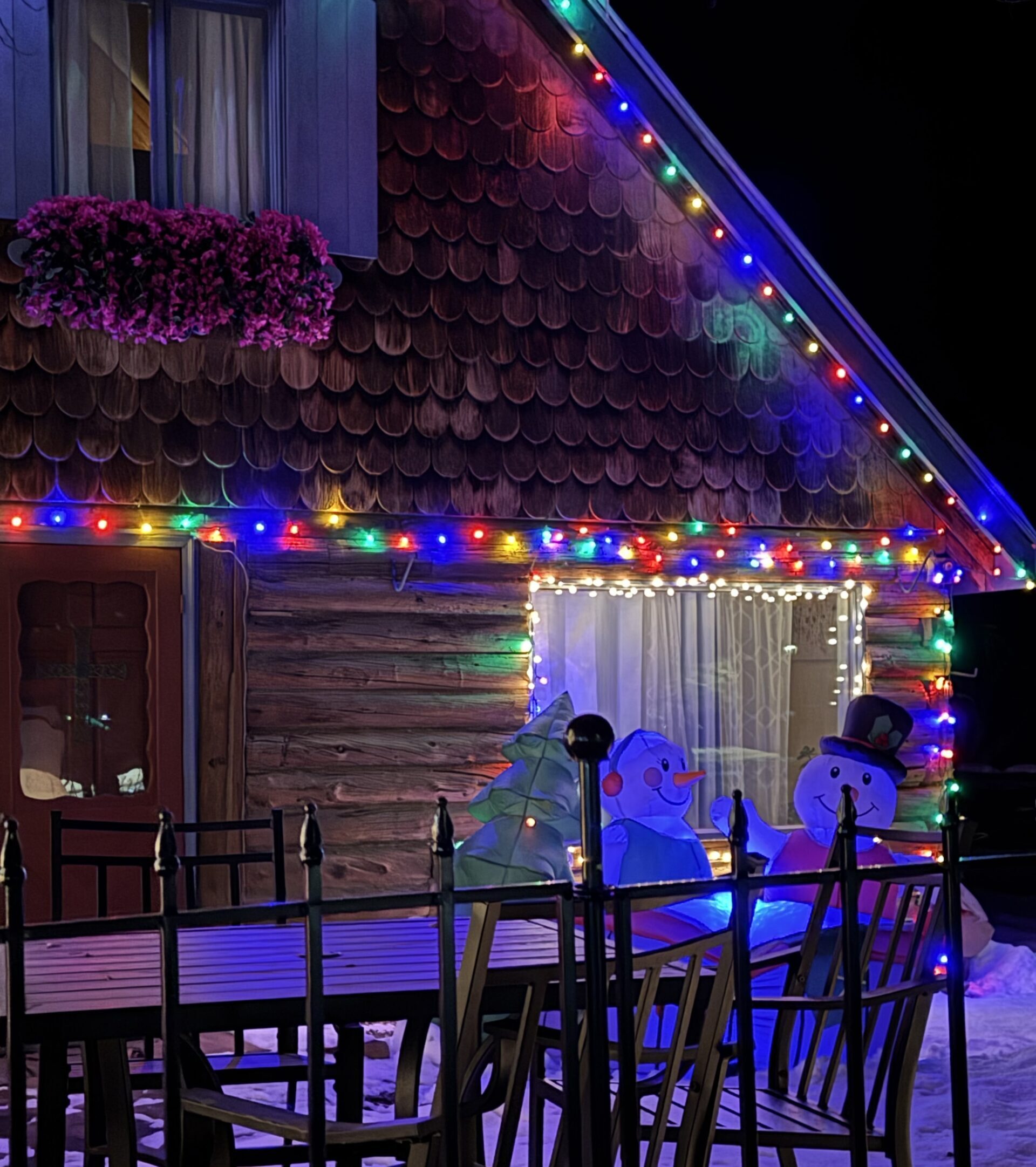
Mystery generates creativity. The unknown equates with adventure. The ventricles of the brain can actually grow and neuroplasticity expand with a practice of being alone. Solitude offers reconnection with one’s purpose and time to recharge. Curiosity blooms about the world and people out there waiting to be discovered.
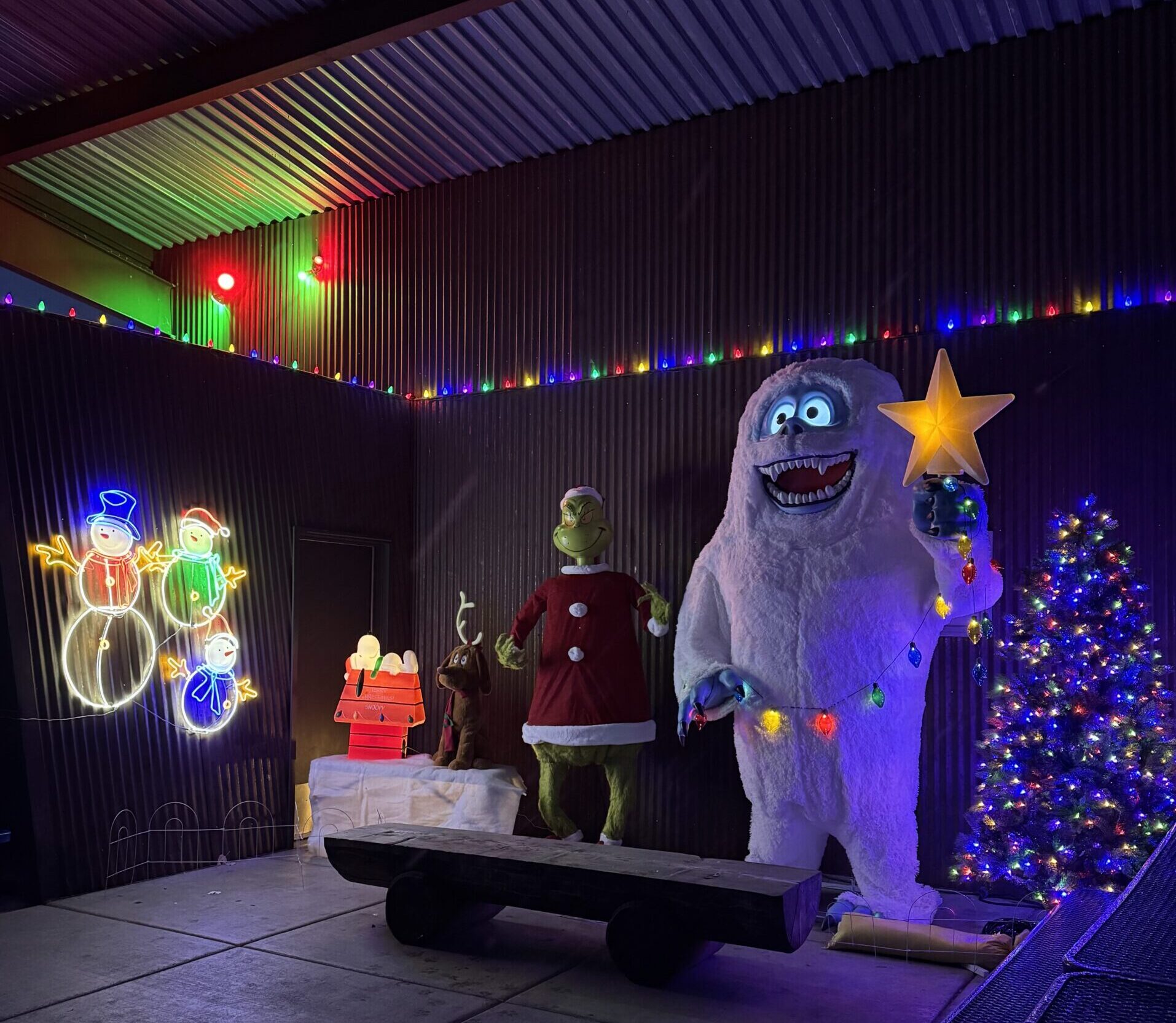
Magic is in the air with the recognition of safe spaces for the variety of lived experiences, including isolation and solitude, which happen during the holidays occurring around the Winter Solstice. It’s committing to self-care; taking a slow deep breath, flashing a smile while running down the shopping aisle, interrupting a task for social conversation, taking a longer hot shower, donating canned goods at your apartment or neighborhood food drive, hugging a good friend, six second kisses with your lover, (a personal favorite), listening to favorite music and dancing by oneself. This fuels the ability to calibrate one’s energy to joyfully connect with family, friends, coworkers and customers during busy times.
Miracles happen in meeting another where they need to be met. It’s a chance to tell and to listen to each other’s stories regardless of place and station, the mutual sharing of which creates a meaningful connection. Personal acknowledgement amidst the holiday hustle has a soothing ripple effect, when a smile states that you, just like I, are doing the best you can. And it’s all good!
Wishing to all the Magic to Make Miracles Happen this Holiday Season!
Did this blog resonate with you? Please share by leaving a comment below!
No Responses